









(qlmbusinessnews.com . Sun 18th Jan, 2026) London, UK —
The Age Divide in UK Economic Confidence: What It Means for Future Politics
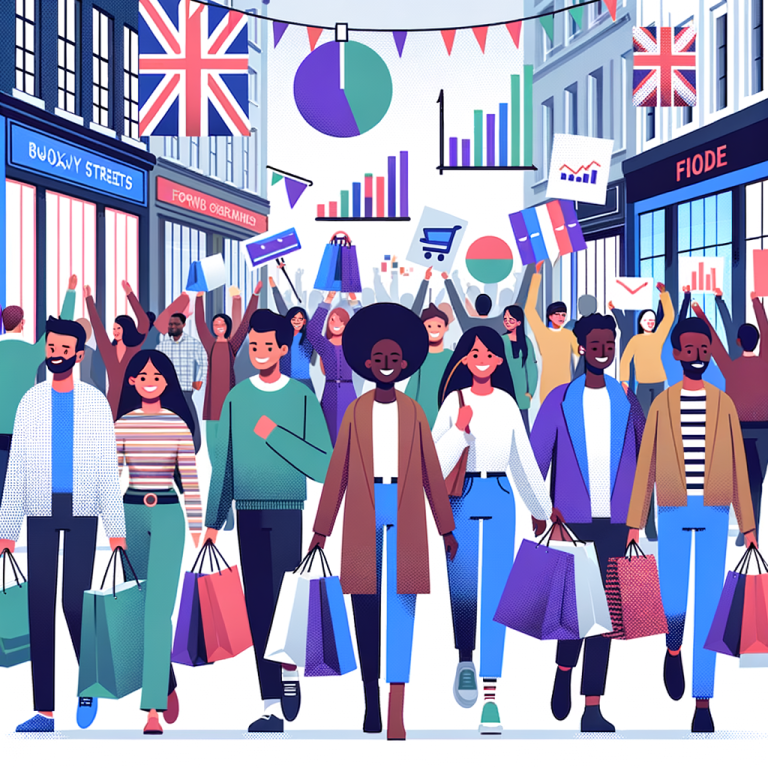
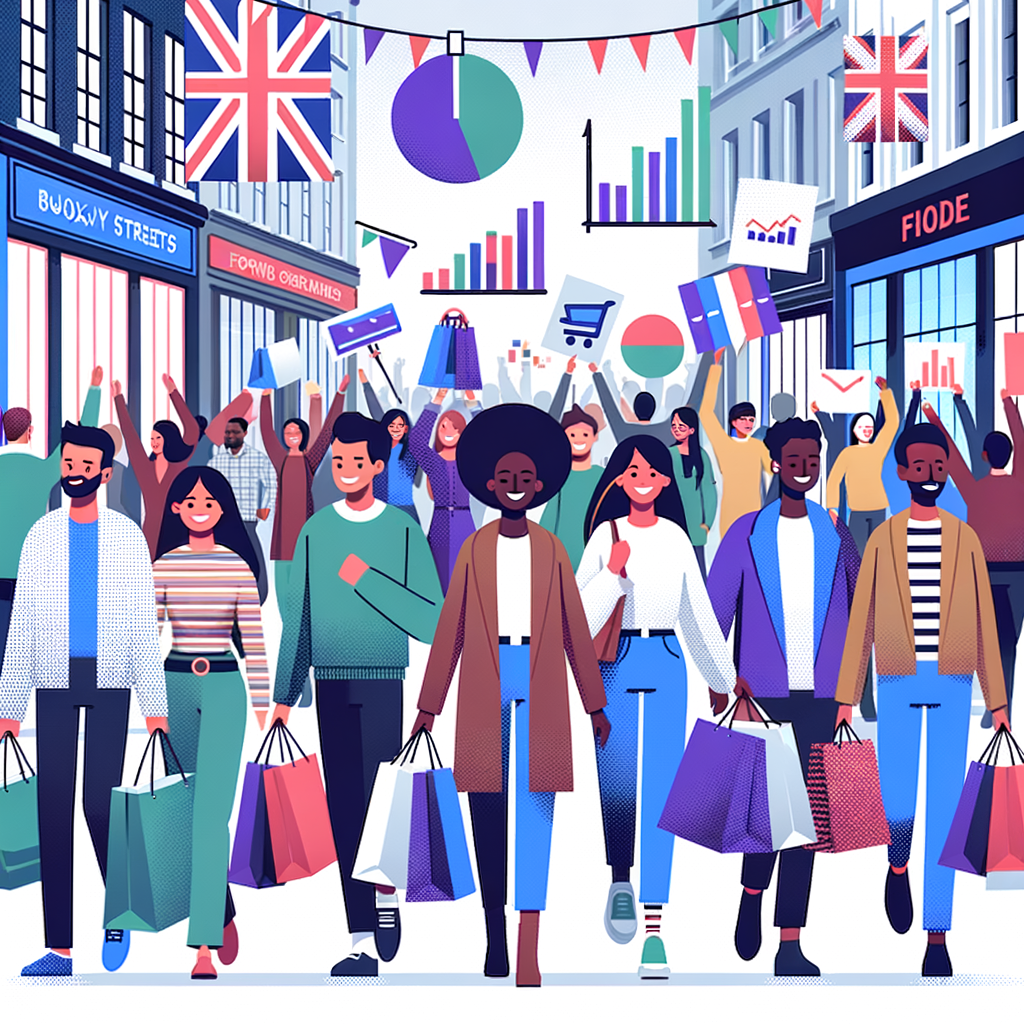
In London's bustling Oxford Street, shoppers laden with bags meander through the throngs of people hunting for Boxing Day bargains, a lively scene that defies the stark warnings of economic downturn and recession from the gloomiest of forecasters. The economic landscape as we step into the new year is neither catastrophic nor is it flourishing, inviting a fresh start for policy, certainty, and perhaps most critically, the nation's economic morale.
One pivotal chart could shed considerable light on the UK's economic status and its future trajectory, potentially hinting at the nation's political compass as well. This chart revolves around consumer confidence – a metric deriving from long-standing surveys that gauge the nation’s economic sentiment. Covering questions on economic outlook, major purchases likelihood, and personal finance situations, the GfK Consumer Confidence Barometer – a dataset with a rich history spanning five decades – presents an invaluable measure of national mood.

My tenure as a reporter has coincided with half the life span of this barometer. Though it’s not an exact science, its essence lies in the balance of optimism and pessimism among the populace. Historically, this barometer not only painted a picture of the nation's economic health but also served as a crucial predictor for political stability and continuity.
However, recent observations have unveiled something rather remarkable. A government-circulated version of this chart, delineating consumer confidence across different age groups, reveals a significant shift in trends. Once moving in harmony, these age-stratified lines now tell a tale of divergence, especially post-2024.
The disparity is most pronounced among the under-50s and under-30s, whose confidence peaks, reminiscent of pre-Brexit optimism, starkly contrast the plummeting confidence of the over-50s and over-60s, harking back to the disquiet of the brief Liz Truss administration. This divergence raises questions about the disparate economic outlooks among different age demographics, particularly in the wake of the 2024 General Election.
This phenomenon suggests a reversal in the traditional flow from economic sentiment to political allegiance; people’s financial outlook and their view of the country’s economic future now seem influenced by their political leanings. The younger, liberal left demographic shows a renewed economic optimism under a government they largely support, whereas older generations, who lean towards Conservative and Reform parties, exhibit stark pessimism.
Social media's influence, with its penchant for amplifying doom and gloom narratives, may also play a role in shaping these outlooks, particularly among the older demographics. This trend mirrors shifts in the United States, where economic confidence among Democrat respondents soared following the transition from Donald Trump to Joe Biden, while Republican confidence took a nosedive.
This evolving landscape of consumer confidence coincides with the Bank of England's decisions on interest rates, impacting differently across age groups – benefiting the younger, would-be homeowners and job seekers, whilst disadvantaging the older, savings-reliant segment.
Moreover, this division has tangible effects on the economy, potentially explaining the UK's anomalously high savings rate and subdued GDP growth, as older Britons, disillusioned with the nation's direction, hold back on spending. Yet, amidst this dichotomous sentiment, various businesses report buoyant sales and robust profits that defy the prevailing economic pessimism.
Inflation's descent towards the government’s 2% target, paired with restrained regulated price increases and the anticipation of future rate cuts, offers a glimmer of hope for an economic rebound, further buoyed by significant infrastructure investments like the expansion of Heathrow and the announcement of a new northern rail line.
As the UK seeks to navigate through the remnants of a tumultuous period, the challenge remains whether the politically charged perceptions of economic confidence could hinder the optimistic forecasts and the potential for an economic resurgence.
This News Story is brought to you by QLM Business News, your Digital Media Channel.
Visit QLM businessnews.com for more business news stories. Also follow us on Facebook, X, and Youtube.
To help QLM Business News bring you more news stories like this, please like, share, and subscribe.
Unlock unparalleled business growth and effortlessly attract a stream of new customers through QLM Business News Sponsored Advertising. Elevate your brand's presence and captivate your target audience with precision. Visit QLMbusinessnews.com and click on “Advertise” to harness the power of strategic advertising. Don't miss this unparalleled opportunity to propel your business to new heights of success!
Disclaimer: All images presented herein are intended solely for illustrative purposes and may not accurately depict the true likeness of the subjects, objects, or individuals referenced in the accompanying news stories.