










(qlmbusinessnews.com . Mon 2nd June, 2025) London, UK —
UK Government Faces Growing Revolt Over AI Copyright Bill in House of Lords
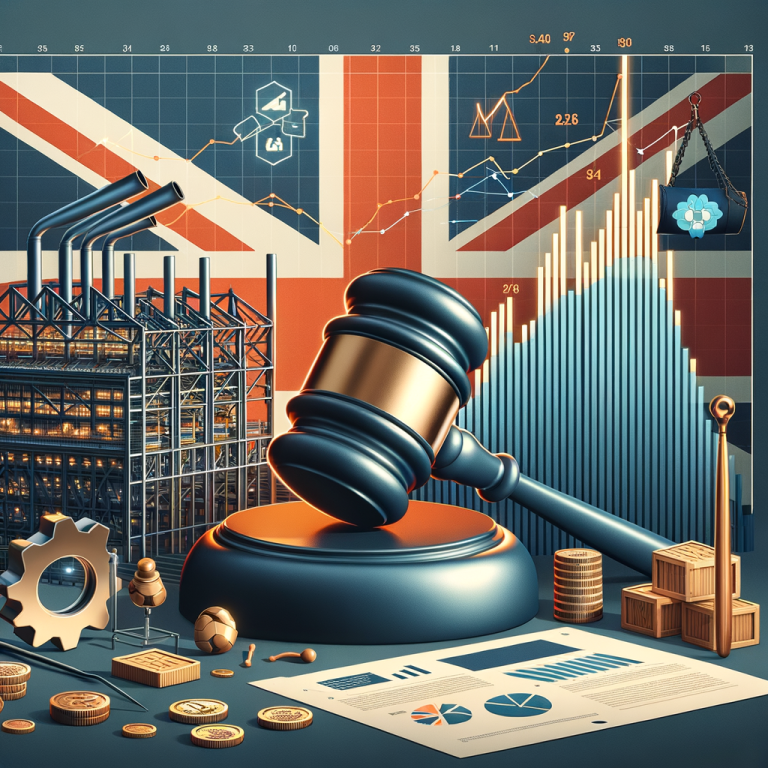
The escalating conflict over artificial intelligence (AI) and copyright returns to the House of Lords this week, as ministers and peers remain deeply divided with no resolution in sight.
The row, centring around the government's proposed Data (Use and Access) Bill, is proving to be one of the most significant policy clashes in recent memory, with tensions mounting between the tech industry and the UK’s creative sectors. Despite months of debate, neither side has shown signs of backing down — an unusual and telling sign, say insiders.
At its core, this dispute is not just about algorithms and datasets, but about livelihoods, creativity, and the future of UK cultural industries. Artists and performers argue that their work is being exploited by AI developers, while technology firms stress the importance of data access to fuel innovation.
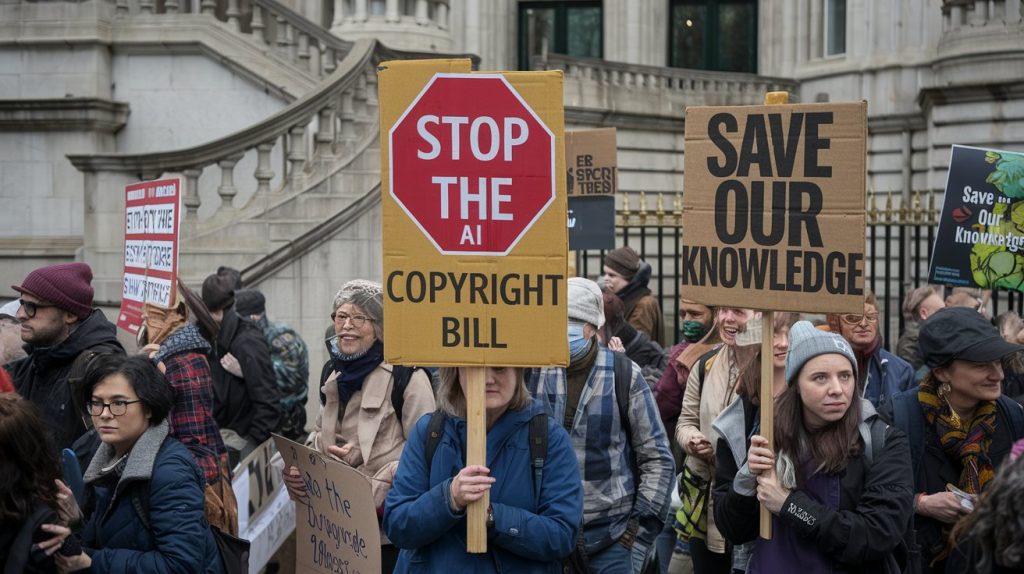
The government has proposed that AI developers should be permitted to use all publicly available content unless individual rights holders actively opt out. However, this “opt-out” model has triggered fierce backlash. Nearly 300 Lords have voiced opposition, demanding that AI firms disclose which copyrighted works are used in training their models, with a view to formal licensing.
One vocal opponent is Baroness Beeban Kidron, an independent peer and film director, who accuses ministers of enabling “state-sanctioned theft” from UK artists, designers, writers and musicians. She warned that the government is risking a £124 billion creative industry to benefit foreign tech giants.
Former Meta executive Sir Nick Clegg is among those defending the bill, warning that requiring AI firms to seek permission from every copyright holder would “kill the AI industry” in Britain.
Technology Secretary Peter Kyle has acknowledged the growing complexity of copyright law, admitting it is “no longer fit for purpose”. An amendment to the bill would force him to report to Parliament on its impact on creative industries within three months of implementation.
Meanwhile, the bill’s fate hangs in the balance as it continues to “ping-pong” between the House of Commons and the Lords. Should negotiations collapse entirely, there’s a risk the bill could be shelved, along with other important provisions — such as rights for bereaved parents to access a deceased child’s data, and proposals to share NHS patient data more efficiently.
The origins of the dispute lie in how AI developers originally built their models — by scraping vast quantities of online content, often without permission, under the claim that it was publicly available. Now, those same models can replicate the styles of musicians, artists and writers — a development that many say threatens real jobs.
Big names such as Sir Elton John, Sir Paul McCartney and Dua Lipa have denounced the practice as theft, accusing the government of failing to protect British talent.
Yet proponents of the bill argue that too many restrictions will drive AI innovation abroad, along with the associated jobs and investment.
With no middle ground in sight, the UK’s approach to balancing innovation and copyright remains in limbo.
This News Story is brought to you by QLM Business News, your Digital Media Channel
Visit QLM businessnews.com
For more business news stories also follow us on Facebook, X and Youtube.
To Help qlm business news bring you more new stories like this, please like, share and subscribe.
Unlock unparalleled business growth and effortlessly attract a stream of new customers through QLM Business News Sponsored Advertising. Elevate your brand's presence and captivate your target audience with precision. Visit QLMbusinessnews.com and click on “Advertise” to harness the power of strategic advertising. Don't miss this unparalleled opportunity to propel your business to new heights of success!
Disclaimer: All images presented herein are intended solely for illustrative purposes and may not accurately depict the true likeness of the subjects, objects, or individuals referenced in the accompanying news stories.