











(qlmbusinessnews.com Thurs. 31st Oct, 2024) London, UK —
Tax Increases for UK Businesses: What New NI and Wage Costs Mean for the Economy
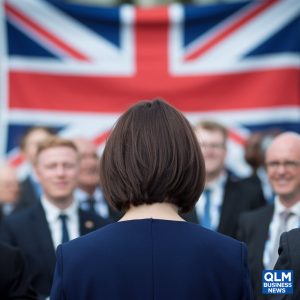
The UK business community has expressed strong concerns over significant tax hikes announced in the recent Budget, warning these changes could lead to reduced pay rises, fewer jobs, and slower economic growth. Chancellor Rachel Reeves revealed that over half of the newly introduced £40bn tax increase will be shouldered by employers, with the National Insurance (NI) rate for businesses set to rise from 13.8% to 15% on earnings above £175. Furthermore, the earnings threshold for employer contributions will decrease from £9,100 to £5,000, which is expected to generate £25bn annually.
Although the Chancellor acknowledged that this tax increase might be “difficult,” she defended it as necessary to fund essential public services. She noted that supporting growth through investment is vital, remarking that “there are no shortcuts” in driving economic progress.
Several business leaders expressed concern that these rising costs could undercut efforts to expand, hire, and increase wages. Roger Barker, the director of policy at the Institute of Directors, described the Budget as delivering “short-term pain,” offering little immediate benefit to businesses.
Additionally, increases in the National Living Wage, business rates, and regulatory costs associated with enhanced workers’ rights will likely strain businesses further. From April 2025, the minimum wage for workers over 21 will rise from £11.44 to £12.21, while younger employees and apprentices will see similar increases. Business rates, which were benefiting from a 75% discount, will be reduced to a 40% discount, pushing some businesses’ rates up significantly.
The hospitality sector, already operating on narrow profit margins, expects that increased costs will result in higher prices for consumers and cuts in hours and investment. Kate Nicholls, CEO of UK Hospitality, stated these new taxes would put a “brake on growth,” particularly for smaller businesses struggling to keep up with mounting expenses.
While larger companies may be able to absorb some of these additional costs, smaller businesses will face tougher challenges. Callum Thompson, director of Business Energy Claims in Newcastle, estimates that the increased NI rate will cost his firm £18,000–£19,000. Plans to expand by opening a new office are now under review due to these costs.
Yet, some smaller firms see the measures as manageable. Pip Murray, founder of Pip & Nut, suggested the Budget provided “moderate and sensible” changes, noting that her business would experience limited impact from the NI increase.
To ease some of the impact, the Chancellor announced an increase in the Employment Allowance, doubling the rebate from £5,000 to £10,500. Retail, hospitality, and leisure businesses will also retain partial relief on business rates, with a 40% discount set to replace the previous 75% next year.
As businesses navigate these upcoming changes, the debate continues over the longer-term effects of these tax hikes on job creation, wage growth, and economic vitality.
—
This News Story is brought to you by QLM Business News, your Digital Media Channel
Visit QLM businessnews.com
For more business news stories also follow us on Facebook, X and Youtube.
To Help qlm business news bring you more new stories like this, please like, share and subscribe.
Unlock unparalleled business growth and effortlessly attract a stream of new customers through QLM Business News Sponsored Advertising. Elevate your brand's presence and captivate your target audience with precision. Visit QLMbusinessnews.com and click on “Advertise” to harness the power of strategic advertising. Don't miss this unparalleled opportunity to propel your business to new heights of success!
Disclaimer: All images presented herein are intended solely for illustrative purposes and may not accurately depict the true likeness of the subjects, objects, or individuals referenced in the accompanying news stories.