







(qlmbusinessnews.com . Wed 28th May, 2025) London, UK —
UK Train Renationalisation Begins – But Ticket Prices Still High
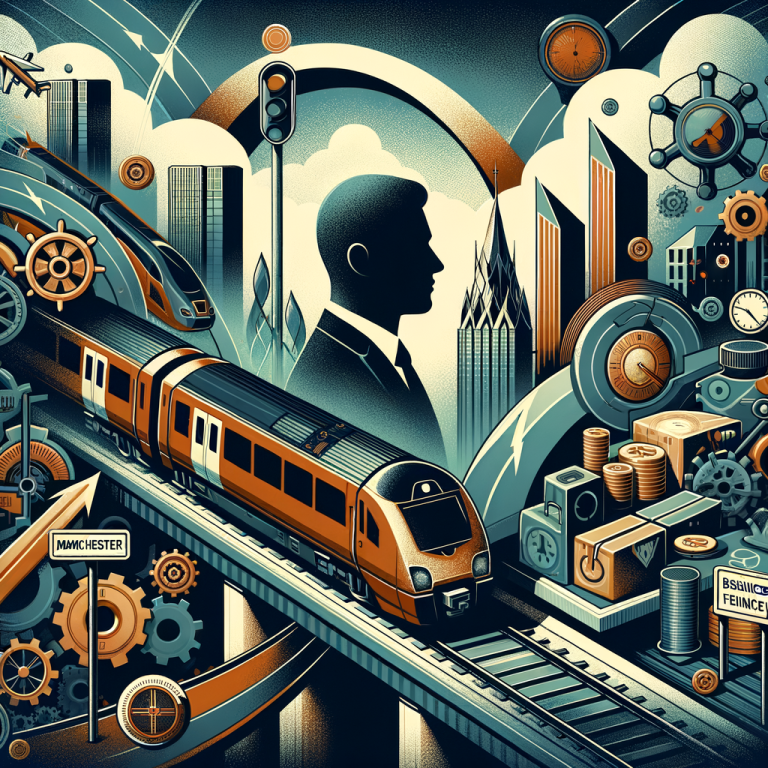
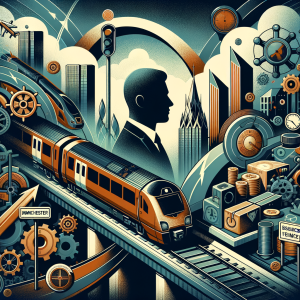
The government has acknowledged that it cannot guarantee lower rail fares as South Western Railway (SWR) officially returned to public control on Sunday — the first train operator to be renationalised under the new Labour administration.
Transport Secretary Heidi Alexander marked the move as a “new dawn for rail,” though she conceded that fare reductions may not be forthcoming, citing the £2 billion per year already spent by taxpayers to subsidise train operations.
“We want to deliver better services and invest in infrastructure,” Alexander told the BBC during a visit to a Bournemouth train depot. “I would love to promise lower prices, but I can’t — the priority is ensuring better value for passengers.”
SWR services will now be managed by the Department for Transport’s in-house operator and eventually integrated into Great British Railways (GBR), the future public body designed to oversee rail infrastructure and operations. However, GBR’s formal creation hinges on a parliamentary vote expected later this year.
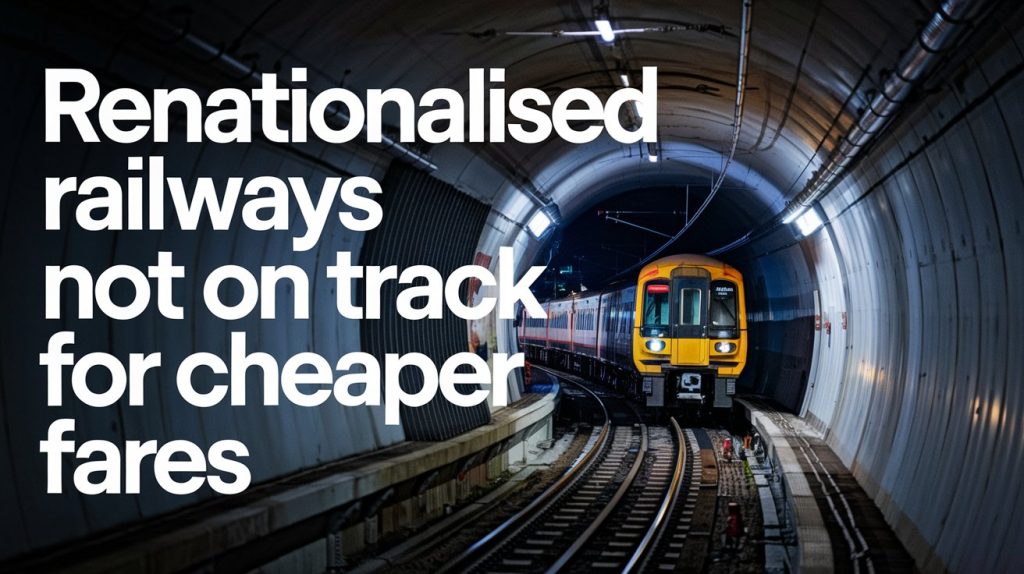
Despite the fanfare, Sunday’s inaugural service — a 05:36 train from Woking to Surbiton — was replaced with a bus due to engineering works, reminiscent of the first privatised rail service in 1996, which also launched with a rail replacement.
The renationalisation has drawn mixed reactions from the public. Many welcomed the move but expressed scepticism about its practical benefits without accompanying fare cuts.
Lauren, visiting Bournemouth from Leicester, said: “If prices don’t come down, I don’t see how this benefits consumers.”
Caroline, who travelled by electric car instead of train, highlighted the prohibitive cost. “For four of us, tickets would’ve cost £400 to £500. Driving was much cheaper.”
Another traveller, Adam from Evesham, criticised the disparity between UK and European rail prices: “You pay 400% more here. Making train travel affordable should be a government priority.”
Although the Conservatives had already brought four rail operators into public hands — LNER, South Eastern, TransPennine Express, and Northern — Labour’s nationalisation drive aims to bring nearly all English rail franchises under state control by 2027. C2C and Greater Anglia will be next later this year.
The Rail, Maritime and Transport (RMT) union welcomed the change but warned of unfinished business. “This is a step in the right direction,” said General Secretary Eddie Dempsey, “but full benefits won’t be felt until contracted staff like cleaners and security are also brought in-house.”
Until GBR is established, the Department for Transport will retain operational control. Ministers have signalled that while cheaper fares remain an ambition, meaningful changes are unlikely until more services are renationalised and the new rail body is fully operational.
This News Story is brought to you by QLM Business News, your Digital Media Channel
Visit QLM businessnews.com
For more business news stories also follow us on Facebook, X and Youtube.
To Help qlm business news bring you more new stories like this, please like, share and subscribe.
Unlock unparalleled business growth and effortlessly attract a stream of new customers through QLM Business News Sponsored Advertising. Elevate your brand's presence and captivate your target audience with precision. Visit QLMbusinessnews.com and click on “Advertise” to harness the power of strategic advertising. Don't miss this unparalleled opportunity to propel your business to new heights of success!
Disclaimer: All images presented herein are intended solely for illustrative purposes and may not accurately depict the true likeness of the subjects, objects, or individuals referenced in the accompanying news stories.