












(qlmbusinessnews.com . Sun 21st Dec, 2025) London, UK —
New Contactless Card Payment Freedom in the UK: Choose Your Own Spending Limit
Contactless Payment Limits in the UK: A Shift Towards Greater Flexibility
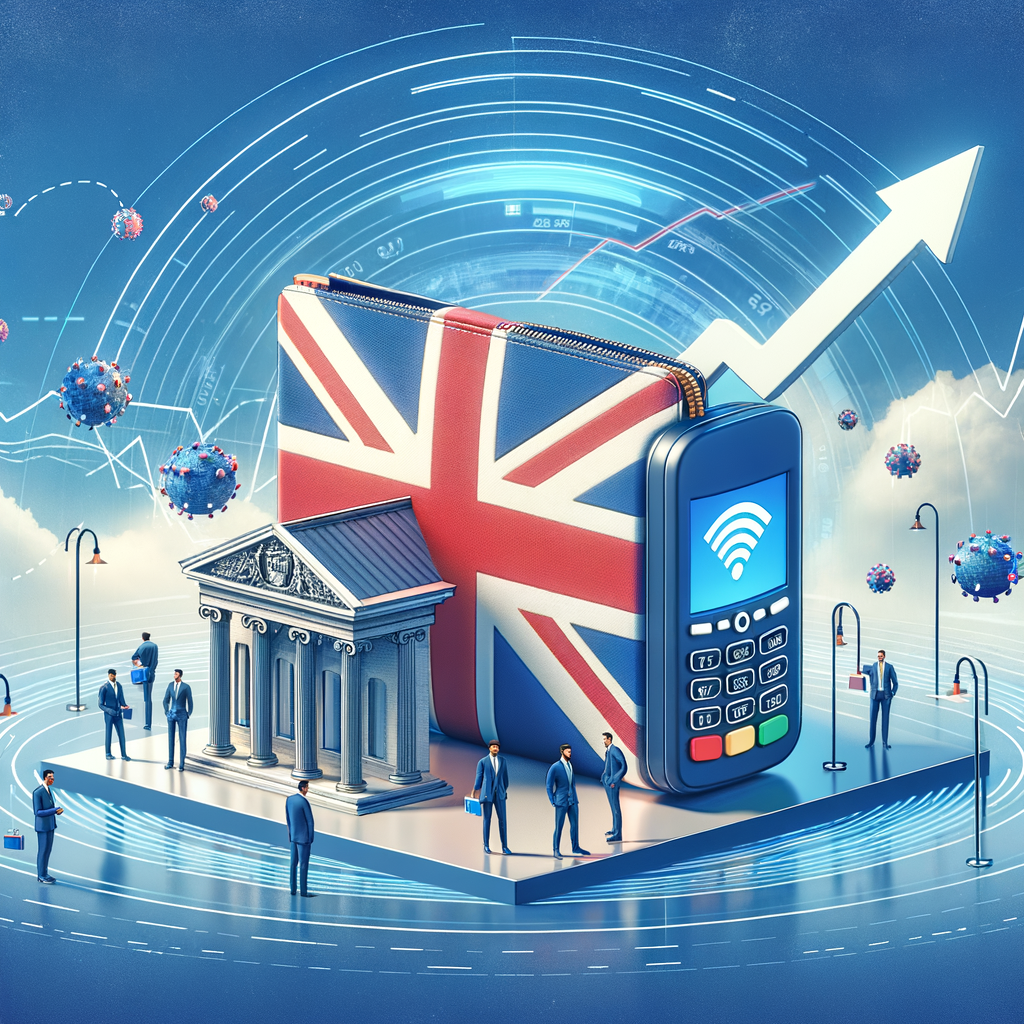
In a groundbreaking development, UK regulators have announced that, from March, banks and card providers will be granted the autonomy to establish their own upper limits for single contactless card payments, potentially removing the necessity for a PIN entry altogether. This move paves the way for consumers to either set personal spending thresholds or opt for unrestricted contactless transactions. Presently, certain banks already extend this level of customisation to their clientele.

This decision emerges in the wake of findings from the Financial Conduct Authority (FCA), which revealed a pronounced lack of enthusiasm among both consumers and industry figures for deviating from the existing £100 cap on contactless transactions.
Despite this, the FCA has urged financial institutions to embrace this newfound latitude, allowing them to tailor their approach based on perceived fraud risks. Importantly, it is anticipated that this amendment will not prompt immediate adjustments to the status quo come March.
The trajectory of contactless payment thresholds in the UK has seen a steady ascent since its inception in 2007, with limits climbing from £10 to the current £100, propelled in part by the exigencies of the Covid pandemic.
Notably, mobile payments through smartphones bypass these caps, thanks to sophisticated security mechanisms like biometric authentication, thereby raising concerns over the increased allure for potential theft or fraud with cards.
The FCA reassures that multiple layers of protection, including mandatory PIN verification after successive contactless transactions, safeguard consumers against such risks. David Geale, the FCA's executive director of payments and digital finance, underscored the universal preference for contactless payments, emphasizing the objective to grant both banks and customers greater control over their spending.
The dialogue surrounding these changes highlights apprehensions regarding impulsive spending and financial vulnerability, particularly in the context of credit card use and the potential for financial exploitation.
Moreover, this shift towards contactless preference stokes fears about the accelerated decline of cash transactions, a critical concern for individuals at risk of financial abuse, for whom cash remains an essential, unmonitored resource.
In response to the dwindling presence of bank branches, initiatives like the establishment of shared banking hubs by Cash Access UK aim to safeguard access to cash, as demonstrated by the opening of its 200th hub in Billericay, Essex.
This evolution in payment technology represents a significant stride towards accommodating consumer preferences and the dynamic landscape of financial transactions, underscored by a commitment to maintaining robust security measures and fraud prevention strategies.
This News Story is brought to you by QLM Business News, your Digital Media Channel.
Visit QLM businessnews.com for more business news stories. Also follow us on Facebook, X, and Youtube.
To help QLM Business News bring you more news stories like this, please like, share, and subscribe.
Unlock unparalleled business growth and effortlessly attract a stream of new customers through QLM Business News Sponsored Advertising. Elevate your brand's presence and captivate your target audience with precision. Visit QLMbusinessnews.com and click on “Advertise” to harness the power of strategic advertising. Don't miss this unparalleled opportunity to propel your business to new heights of success!
Disclaimer: All images presented herein are intended solely for illustrative purposes and may not accurately depict the true likeness of the subjects, objects, or individuals referenced in the accompanying news stories.